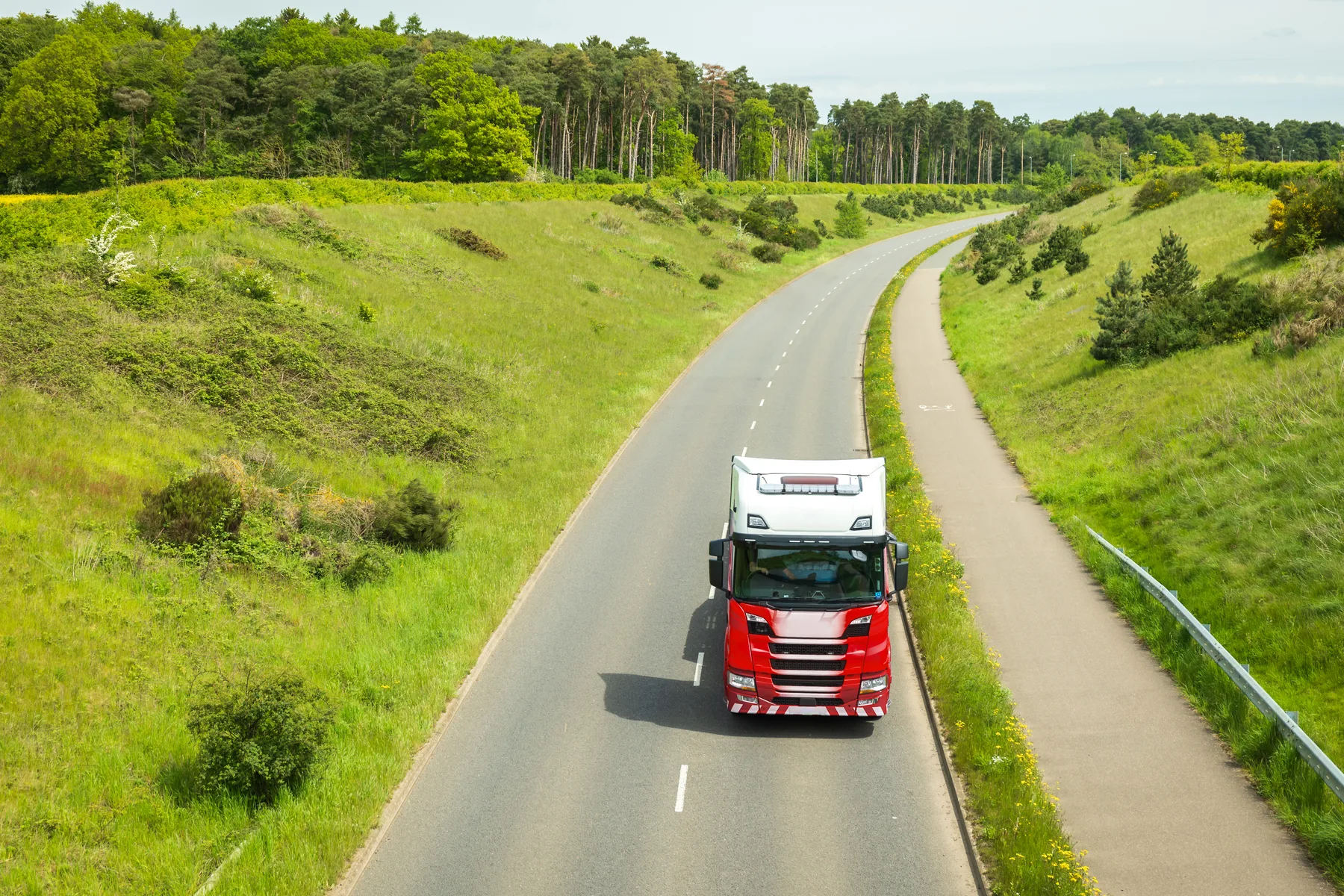
Primary Distribution
Primary distribution contracts rely on dependable trunking capacity, consistent service and clear commercial terms. CTS helps shippers procure ongoing primary distribution through a structured comparison of checked UK operators.
Source ongoing primary trunking through a structured procurement process
Primary distribution moves goods from a factory, port or supplier to a central or regional distribution centre. It is the trunking stage that feeds the network before store or customer deliveries begin. Secondary distribution follows, moving stock from the distribution centre to stores or delivery points. Businesses looking for primary distribution are usually procuring ongoing contract capacity for full loads, scheduled trunking and regular network replenishment rather than one off transport.
CTS helps buyers source contract distribution solutions by matching each brief with a small shortlist of checked operators. Before an operator receives a brief, CTS checks operator licence (O licence) status, financial standing, insurance and relevant accreditations. You can also review the official goods vehicle operator licensing guidance. CTS checks and introduces operators. It does not rank, endorse or guarantee them. Final due diligence and contractual responsibility remain with the shipper and the appointed operator.
A primary transport operation can include factory to RDC distribution, inbound distribution, full load trunking and bulk haulage. Planning typically covers trailer type, loading methods, booking slots, night trunking, drivers' hours, contingency arrangements, proof of delivery, KPI reporting, service credits, continuity planning and mobilisation. Well drafted contracts should also set out responsibility for cages, pallets, waiting time, returns and day to day communication.
Manufacturers, importers, wholesalers, food producers, retailers and third party logistics providers use primary distribution contracts where regular flow into distribution centres is essential. Some operations require dedicated vehicles, while others suit shared trunking on fixed routes. If you are reviewing an existing contract or outsourcing for the first time, read a guide to outsourcing your transport before issuing a brief.
Costs depend on the transport requirement. Key factors include route mileage, delivery pattern, vehicle and crew requirements, delivery windows, waiting time, loading and unloading arrangements, traffic volumes, consistency of work, fuel, backloads or empty running, failed deliveries and whether the service is dedicated or shared. A clear brief at tender stage usually leads to more accurate proposals and fewer issues during mobilisation.
- Free
- Matching service
- UK-wide
- Operator network
- One brief
- Shared securely
- Checked
- Before introduction
Why appoint through CTS
The checks and structure that make proposals worth comparing.
Primary trunking
Source ongoing trunk movements into central and regional distribution centres.
Checked operators
Operators are checked before receiving a procurement brief.
Operational planning
Drivers' hours, delivery windows and scheduling are considered from the outset.
Vehicle suitability
Match trailer and loading requirements to the transport operation.
Commercial confidence
Compliance checks support supplier selection. They are not a guarantee of performance.
Long term contracts
For ongoing business to business transport procurement.
Operating models compared
Use this as the checklist for any proposal you receive.
| Attribute | What the operator provides | What to agree up front |
|---|---|---|
| Network design | Primary trunking schedule and vehicle allocation | Delivery windows, KPIs and reporting |
| Vehicle specification | Suitable tractor units, trailers and loading equipment | Trailer types, payloads and access restrictions |
| Operational planning | Route planning and inbound distribution management | Booking procedures, waiting time and escalation |
| Compliance | Licensed operation with appropriate insurance | Responsibilities, liability and contract terms |
| Mobilisation | Implementation, communications and continuity planning | Start date, review meetings and service levels |
In this section
The decisions that shape the appointment.



Keep control of supplier selection
Rather than relying on a single carrier's proposal, compare checked operators against the same brief and appoint the provider that best fits your operational and commercial requirements.
| Independent process. | CTS owns no fleet or warehouse capacity. | |
|---|---|---|
| Consistent briefing. | Each shortlisted operator receives the same structured requirement. | |
| Commercial control. | You choose which operator to appoint and contract with. | |
Your brief goes only to matched operators. It is never posted publicly or sold on.
How it works
One brief. A private shortlist. No obligation at any point.
-
Brief your requirement
Provide lane information, volumes, service expectations and contract objectives.
-
We match and check
CTS identifies suitable operators and checks licensing, financial standing, insurance and relevant accreditations.
-
Compare proposals privately
Review proposals against the same brief, then complete your own commercial assessment.
-
Appoint and mobilise
Choose your preferred operator, agree terms and prepare for service launch.
Common questions
Straight answers on cost, contracts and how your brief is handled.
How much does primary distribution cost?
There is no standard rate because every operation is different. Cost depends on the transport requirement, including mileage, vehicle type, delivery windows, loading arrangements, traffic volumes, consistency of work, waiting time and whether the service is dedicated or shared.
Is CTS neutral when matching operators?
Yes. CTS does not own trucks or warehouses and does not sell transport capacity. It matches suitable checked operators to your brief so you can compare proposals before making your own appointment.
What checks are carried out before an operator receives my brief?
CTS checks DVSA operator licence and O licence status, financial standing, insurance and relevant accreditations before an operator joins the network. These checks support supplier selection but do not replace the shipper's own due diligence or transfer contractual responsibility.
Can primary distribution include night trunking and full loads?
Yes. Many contracts include scheduled night trunking, factory to RDC distribution and regular full load movements. The operating model depends on your network, volumes and service requirements.
What should a primary distribution tender cover?
Set out the lane profile, daily and weekly volumes, load type and any timing constraints such as booking in windows at the receiving centre. Define the service measures you will hold the operator to, for example on time trunk arrival, vehicle fill and incident reporting, and set out the mobilisation plan and any transition from an incumbent. Briefing this once means every shortlisted operator prices the same requirement.

Request quotes from vetted UK partners
Tell us what your business needs to move and compare proposals privately. Free to use, with no obligation to appoint.
- Vetted UK operators only
- Private, never a load board
- No cost, no obligation
Procure your next primary distribution contract with confidence
CTS is free to shippers and there is no obligation to appoint an operator. Your brief is shared only with matched checked operators so you can compare proposals before making your decision.
Request quotes Run transport? Join the network