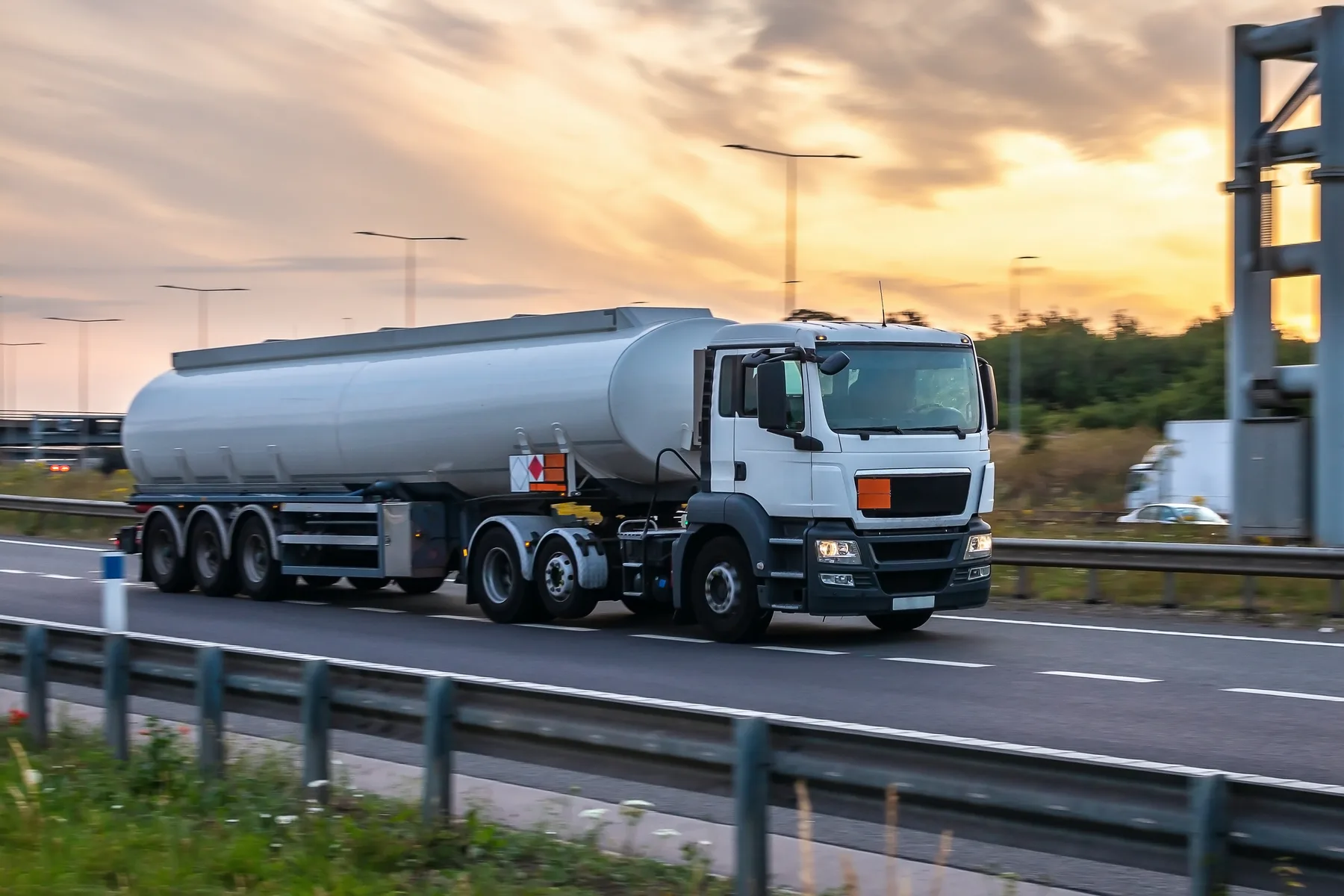
ADR Transport and Hazardous Goods
Dangerous goods contracts leave little room for error. CTS helps businesses procure ongoing ADR transport by sharing one structured brief with a small shortlist of checked operators for private comparison.
Regulated dangerous goods contracts need the right operator, not simply available capacity
Moving dangerous goods by road brings legal, commercial and safety responsibilities. ADR transport relies on trained drivers, correctly marked and equipped vehicles, and operators meeting the relevant licensing and compliance requirements. If an operator falls short on licensing, equipment or procedures, the consequences can reach far beyond delayed deliveries. Businesses placing ongoing contract work need confidence that compliance is established before the contract begins.
Hazardous goods transport involves far more than assigning a vehicle. It requires ADR trained drivers, suitable vehicles, the right equipment for the load, documented procedures, Dangerous Goods Safety Adviser oversight where required, and planning for delivery restrictions, drivers' hours and contingencies. Dangerous goods fall into the ADR classes, covering flammable liquids and gases, corrosives, toxics, oxidisers, explosives and radioactive material, and the class, packaging and quantity dictate the vehicle marking, driver certification and equipment needed. Contracts may cover packaged dangerous goods, bulk products, tankers or specialist equipment, so an operator suited to packaged class 3 flammables may not be right for bulk corrosives; the capability has to fit the load.
Manufacturers, chemical suppliers, industrial distributors, waste specialists and process industries all depend on dangerous goods haulage to keep goods moving. Some contracts cover regional distribution, others national trunking or dedicated fleet support. Where regulated freight sits alongside general contract haulage, businesses often review both together. CTS can also support wider contract haulage procurement where appropriate.
The cost of ADR haulage depends on the detail of the contract. Mileage, drop density, delivery windows, waiting time, vehicle and crew requirements, fuel, return loads, failed deliveries, contract volumes, consistency of work, and whether the operation is dedicated or shared all affect pricing. Compliance obligations also add to operating costs. Before outsourcing, many businesses find this guide to outsourcing your transport safely useful when preparing a specification.
CTS owns no trucks or warehouses. It runs a private procurement process by matching each brief with a small number of checked operators. Before receiving a brief, operators are checked for operator licence status (the O-licence issued by the Traffic Commissioner), DVSA compliance record, financial standing, insurance and the ADR accreditations relevant to the work. Shippers compare responses directly before making their own appointment and completing final due diligence. Businesses can also review the official goods vehicle operator guidance when assessing compliance responsibilities.
- Free
- Matching service
- UK-wide
- Operator network
- One brief
- Shared securely
- Checked
- Before introduction
Why appoint through CTS
The checks and structure that make proposals worth comparing.
ADR compliance
Operators are matched against the compliance requirements of the work.
Checked credentials
DVSA operator licence, financial standing, insurance and relevant accreditations are checked.
Private comparison
Compare several suitable operators rather than relying on a single provider.
Ongoing contracts
Designed for recurring transport requirements rather than one off bookings.
Qualified drivers
Driver competence forms part of the procurement assessment.
Commercial assurance
Insurance checks help support a more informed selection process.
Operating models compared
Use this as the checklist for any proposal you receive.
| Attribute | What the operator provides | What to agree up front |
|---|---|---|
| Packaged dangerous goods | ADR trained drivers, compliant vehicles and planned delivery schedules | ADR classes, delivery profile and KPIs |
| Bulk hazardous products | Suitable specialist equipment and operating procedures | Vehicle type, loading method and contingency |
| Dedicated contract fleets | Regular drivers, mobilisation planning and reporting | Service levels, continuity and service credits |
| Regional distribution | Multi drop capability with compliant documentation | Delivery windows, waiting time and returns |
| National trunking | Long distance contract movements under ADR requirements | Volumes, operating pattern and review process |
In this section
The decisions that shape the appointment.

Keep control of compliance while widening your choice
Comparing several checked operators gives procurement teams a clearer view of capability, compliance and commercial fit before awarding an ongoing contract.
| Independent process. | CTS introduces checked operators rather than supplying its own fleet. | |
|---|---|---|
| Relevant capability. | Matching takes account of ADR classes, geography and contract requirements. | |
| Commercial control. | You compare proposals privately before appointing an operator. | |
Your brief goes only to matched operators. It is never posted publicly or sold on.
How it works
One brief. A private shortlist. No obligation at any point.
-
Brief your requirement
Provide the contract profile, ADR classes, locations, service levels and operating requirements.
-
We match and check
CTS identifies suitable operators and checks core compliance before sharing the brief.
-
Compare proposals privately
Review responses, operational approach and commercial terms from matched operators.
-
Appoint and mobilise
Select your preferred operator and agree mobilisation, KPIs and contract governance directly.
Common questions
Straight answers on cost, contracts and how your brief is handled.
What affects the cost of ADR transport?
Pricing depends on the contract brief rather than a standard rate. Mileage, drop density, vehicle type, delivery windows, waiting time, contract volumes, fuel, returns, and whether the work is dedicated or shared all influence cost.
Is CTS neutral when matching ADR operators?
Yes. CTS does not own vehicles or warehouses and does not sell transport capacity. It introduces checked operators through a private procurement process so shippers can compare proposals before making an appointment.
What DVSA and O licence checks are carried out?
Operators are checked for DVSA operator licence and O licence status, together with financial standing, insurance and relevant accreditations, before receiving a brief. Final due diligence and contractual responsibility remain with the shipper and the appointed operator.
Can CTS help with different types of dangerous goods haulage?
Yes, provided the requirement is for ongoing business to business contract transport. Matching considers the operational brief, including packaged dangerous goods, specialist equipment requirements and the relevant ADR capability of prospective operators.

Request quotes from vetted UK partners
Tell us what your business needs to move and compare proposals privately. Free to use, with no obligation to appoint.
- Vetted UK operators only
- Private, never a load board
- No cost, no obligation
Procure your next ADR contract with greater confidence
CTS is free to shippers and there is no obligation to appoint any operator. Your brief is shared only with matched checked operators so you can compare suitable proposals before making your decision.
Request quotes Run transport? Join the network