
FTL vs LTL: which is right for your freight?
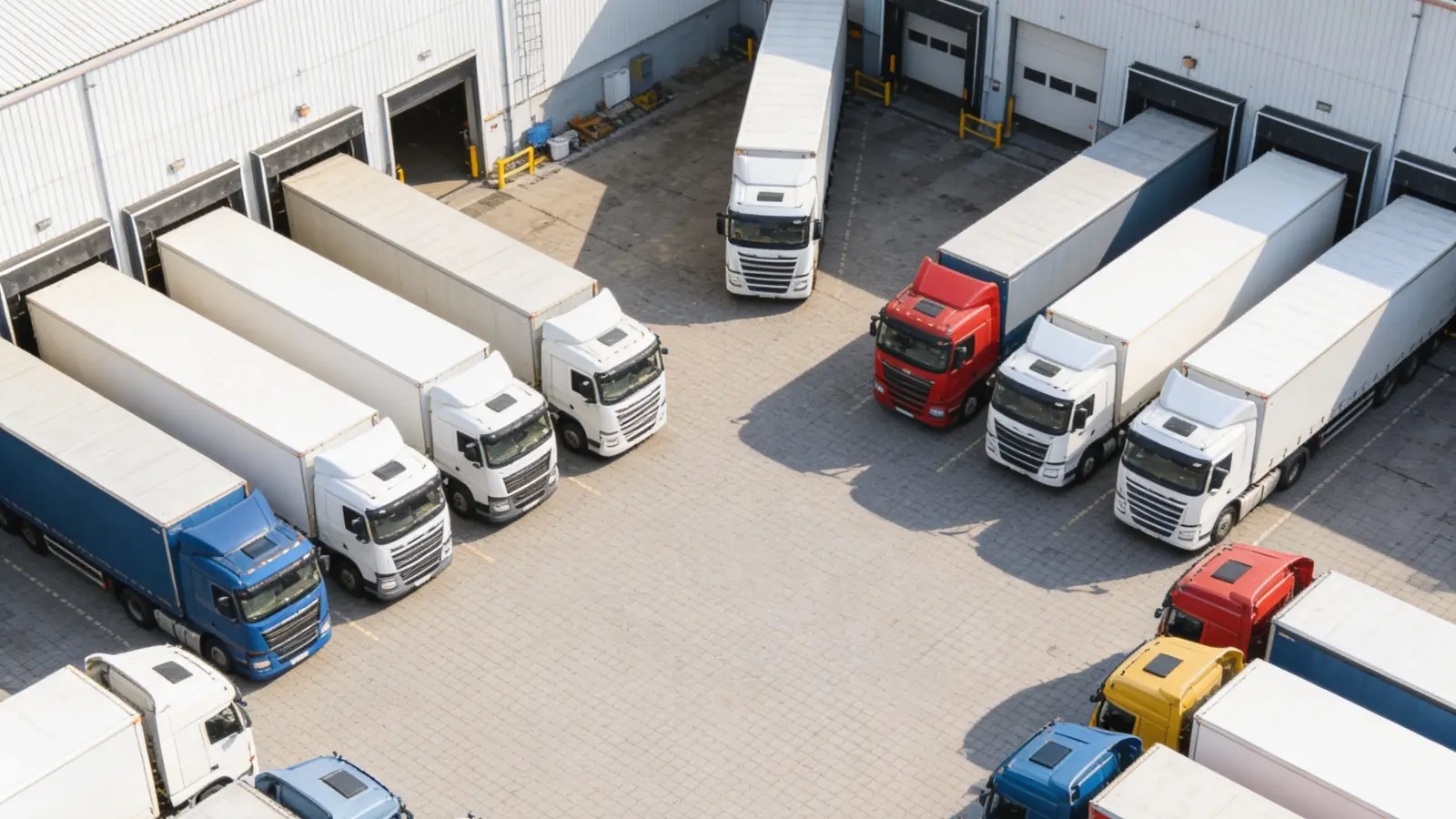
Choosing between full truckload and part load is one of the first practical decisions a shipper makes, and it shapes cost, transit time and how much handling your freight goes through on the way. Neither option is better in the abstract. The right choice depends on how much you are moving, how often, how fragile it is and how tight your delivery windows are. Here is how the two work in UK practice and how to decide between them.
What full truckload (FTL) means
Full truckload, usually shortened to FTL, means the whole vehicle is dedicated to your consignment. Nobody else's freight shares the trailer. The load is collected from your site and driven direct to the delivery point, with no intermediate hub and no reloading along the way. Pricing is per load by lane, so the cost is quoted for that specific collection point to that specific delivery point, rather than per pallet. FTL suits a full or near-full trailer, but it can also make sense for smaller loads that are urgent, valuable or sensitive enough to justify a dedicated vehicle. You can read more on our FTL haulage service page.
What LTL or part load means
Part load, often called LTL (less than truckload), means you share trailer space, and therefore cost, with other shippers moving goods along similar routes. In the UK this normally takes one of two forms: groupage, where consignments are consolidated for a shared trunk movement, and pallet networks, where palletised freight moves through a central hub and out again on local delivery vehicles. Pricing is per pallet or per consignment, so you pay for the space you use rather than the whole vehicle. Our pallet distribution service page covers how the network model works in more detail.
The real trade-offs
FTL wins on transit time because the vehicle goes straight from A to B. It also means single handling: the freight is loaded once and unloaded once, which lowers the risk of damage compared with goods that pass across a hub. Scheduling tends to be more predictable too, because you are not tied to a network's sorting timetable.
Part load wins on cost for smaller consignments, and it lets you send goods more frequently without waiting to fill a trailer. The trade-off is hub handling, which adds touch points, and delivery windows that are less precise because your pallets share a route with everyone else's.
Volume changes the maths. FTL cost per pallet falls as the trailer fills, so a nearly full load is far more economical per unit than a half-empty one. A standard UK articulated trailer typically takes 26 standard pallets, but weight matters as much as space. Dense freight often grosses out (hits the legal weight limit) before it cubes out (fills the floor), so you may not get all 26 pallets on before you run out of payload. The gov.uk vehicle weight limits guidance sets out the limits that apply.
A practical decision guide
Treat volume as guidance rather than a fixed rule. As a rough steer:
- Regular full or near-full trailers on the same lanes point towards FTL.
- A few pallets at a time, sent often, point towards part load.
- Urgent deliveries and tight fixed windows favour FTL, because there is no hub in the way.
- Fragile freight or goods with low handling tolerance favour FTL for the single-handling benefit.
- Awkward delivery points, such as sites with limited access or booking-in requirements, are worth weighing against a network's standard delivery pattern.
Most shippers do not need a single answer for everything. It is common, and sensible, to mix both across a network: FTL on the high-volume trunk lanes and part load for the smaller, scattered drops. Forcing one method across the whole operation usually costs more than blending them.
Comparing both on the same requirement
A contracted arrangement can carry both modes under one relationship, which is often the most cost-effective outcome. If you set out your volumes, lanes and frequency in a single brief, you can start a brief and have checked providers quote against the same requirement. That lets you compare FTL and part load economics like for like, on your actual freight, rather than guessing which will work out cheaper.
Read next
All news & insightsOperator licence checks before appointing a transport provider
Contract transport procurement should test capacity, price, insurance, operating authority and the competence behind the fleet.
Read Insight · 15 Jul 2026How to get an accurate pallet delivery quote
How to get an accurate pallet delivery quote: give the right size, weight, access and timing details so carriers price the job correctly first time.
Read Insight · 15 Jul 2026How to compare UK haulage companies
How to compare UK haulage companies fairly: price the same brief, check capability and compliance, and weigh reliability against rate before you commit.
ReadNeed transport for your goods?
Post one brief and get matched with checked UK transport and logistics partners, free and with no obligation.
- Checked UK operators only
- Every operator prices the same brief
- No cost, no obligation