Humber Bridge Toll
Information for Humber Bridge toll is available after unlock, including vehicle-type prices, location notes, source status and operator payment details.
- No sign-up needed
- Instant results in your browser
- Published UK data
Humber Bridge toll
Information for Humber Bridge toll is available after unlock, including vehicle-type prices, location notes, source status and operator payment details.
Contract Transport Services is not the toll operator or payment authority. The £3.99 charge is for access to information only. It does not pay any toll, pay a penalty or add funds to a toll account.
About Humber Bridge toll
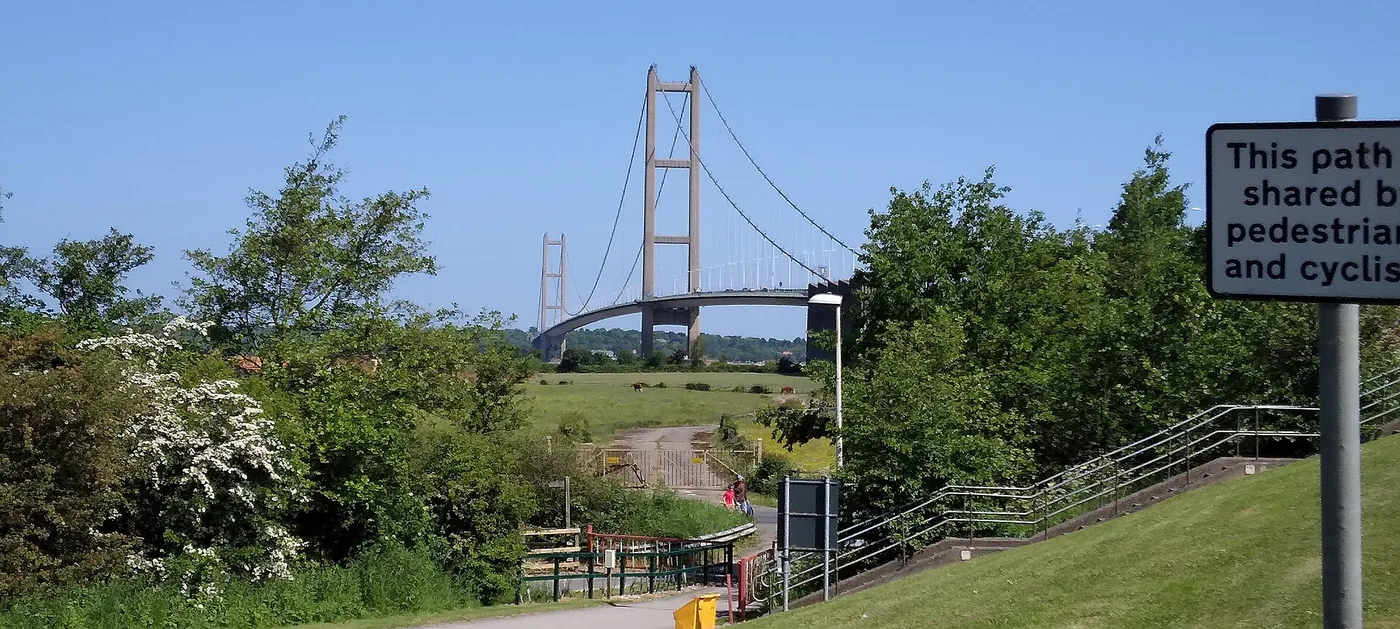
The Humber Bridge toll applies to the suspension bridge over the Humber Estuary between Hessle and Barton-upon-Humber. It links East Yorkshire with North Lincolnshire.
Many UK toll bridges, tunnels and private access roads exist because a crossing or route needed separate funding, maintenance or traffic control. Some are major river crossings, while others are short local roads where the charge supports upkeep of a privately managed route.
What drivers usually need to know
Most visitors arrive because they want a practical answer: how much the toll is, whether a van or HGV is treated differently from a car, where the charge applies and which official website or booth handles payment. This page keeps the public route information visible while the CTS-reviewed price table stays inside the paid record.
Traffic and vehicle types
The bridge is used by commuters, cars, vans and goods vehicles crossing the estuary. Humber Bridge publishes traffic and usage statistics, but vehicle class and account status are still the key points when checking charges.
Vehicle class can be based on weight, height, axles, trailer use, account status or time of travel. A car price is rarely enough for transport work, because vans, coaches, rigid vehicles and articulated HGVs can sit in different bands or face route restrictions.
Nearby places and route context
Nearby landmarks include the Humber Estuary, Hessle Foreshore, Barton-upon-Humber and Hull. The bridge opened in 1981 and remains one of the best-known toll bridges in the UK.
For route planning, the toll should be considered with fuel, driver time, delivery window, road suitability, clean-air or road-user charges, and whether the official operator allows online payment before or after travel.
Checking the toll charge amount
Drivers commonly need to check the current charge, confirm which vehicle category applies or find the official way to pay for a crossing. The public page explains the route and charging system. The £3.99 CTS information unlock shows the CTS-reviewed charge table, vehicle categories and links to the relevant official payment route, tariff source or operator information page.
- Check the vehicle class before you quote, book or travel.
- Allow for return journeys, account rates, payment deadlines and penalty rules where they apply.
- Use the unlocked CTS record for the reviewed price table and operator payment information.
Planning a paid crossing
For a one-off journey, the toll may be a small part of the total cost. For repeated movements, courier work, trade visits, coach trips or freight routes, the charge can become a recurring route cost. Check whether the operator publishes any account rates, tag discounts, free-flow payment deadlines or local-user rules that apply to that specific route before building it into a quote.
CTS does not take the toll payment. Unlocking the record shows the CTS-reviewed toll information and the official payment or source route where one is available. The toll, penalty, payment or account top-up must still be completed with the toll operator or relevant authority.